









our story
-
1934
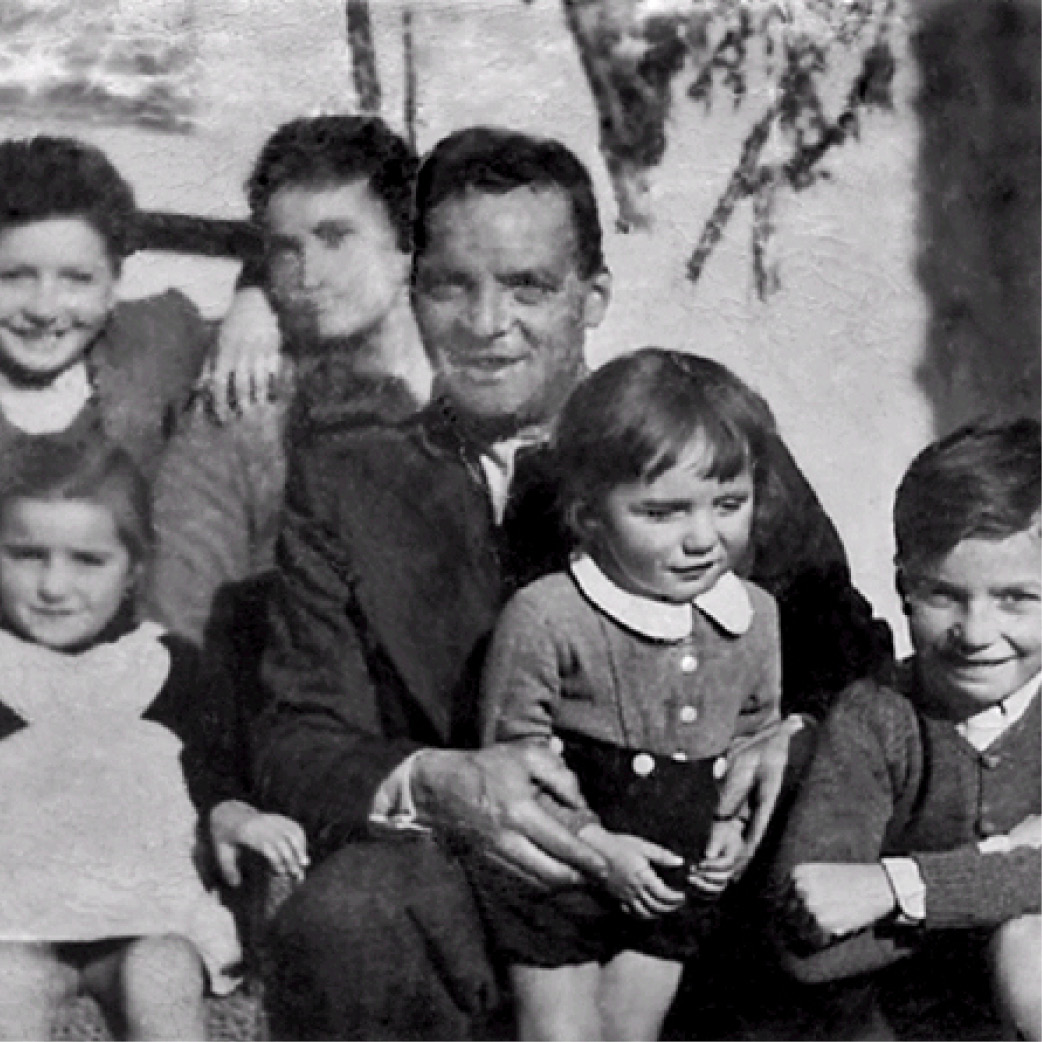
A small, improvised studio and a great desire to experiment. Every evening, after finishing work at Caproni S.p.A., Piero Boffi retreats to the workshop next to his home to explore early-stage design projects in his own way. This is how the history of Boffi begins.
-
1947
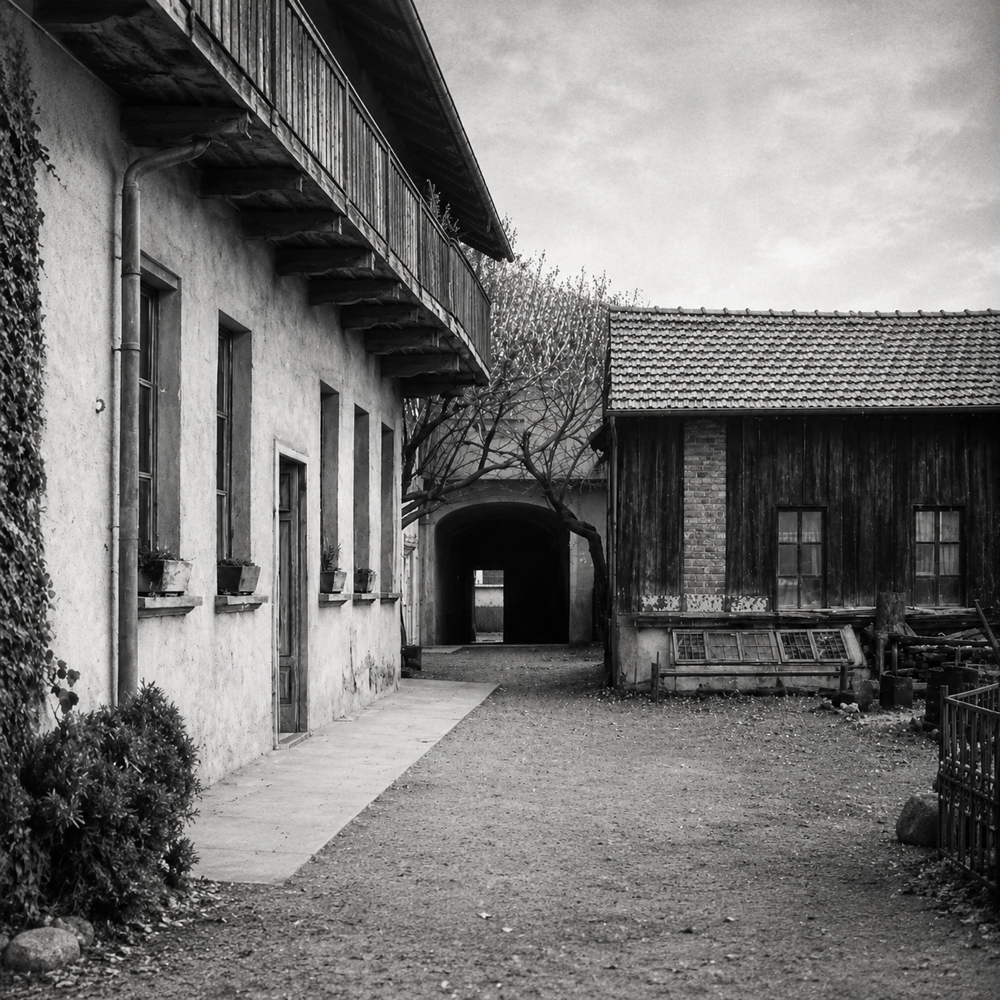
The industrial company takes shape. In Cesano Maderno, in the province of Monza Brianza, the first Boffi factory is founded, where Piero Boffi’s sons – Pier Ugo, Dino and Paolo – work together in different roles. Each brings his own approach.
-
1954
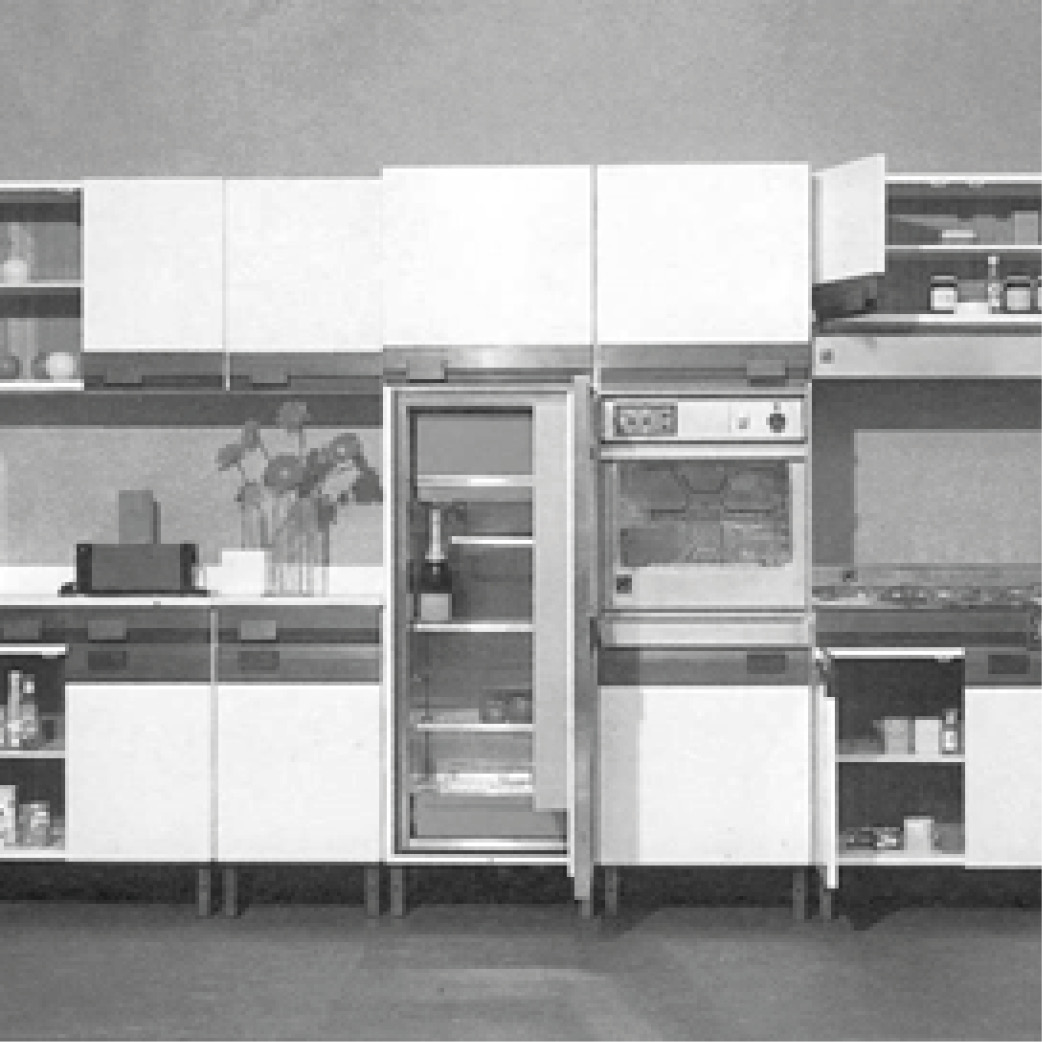
The group becomes a pioneer as the first company to promote a functional plan for modern homes and to work strategically on the international expansion of the brand.
-
1958

With his expressive graphic style, Giulio Confalonieri shapes Boffi’s brand image in the company’s first emerging advertising campaigns.
-
1963
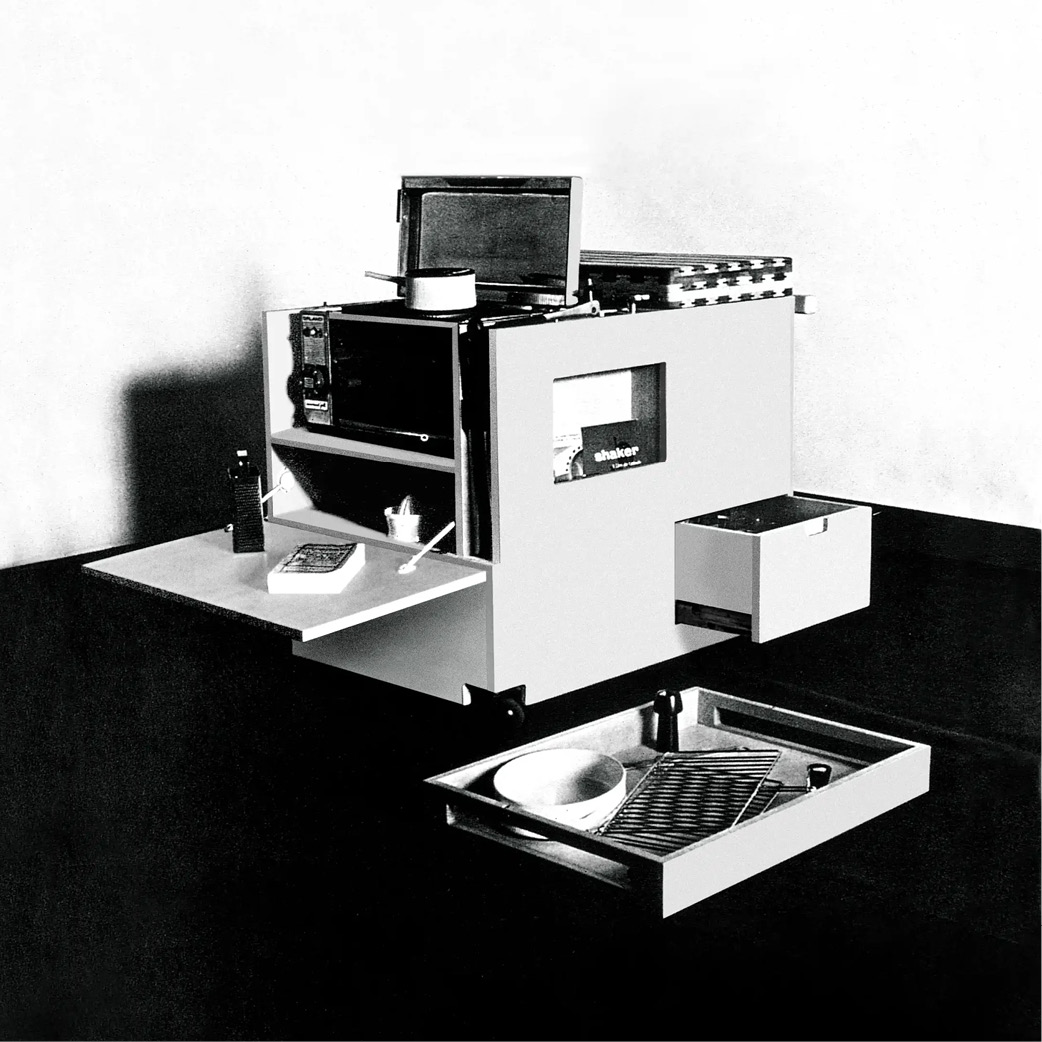
The visionary spirit of the Boffi brothers converges with that of Joe Colombo: The Minikitchen becomes an avant-garde symbol of kitchen-system design – a compact cube integrating all functions for preparation, storage and cleaning.
-
1966
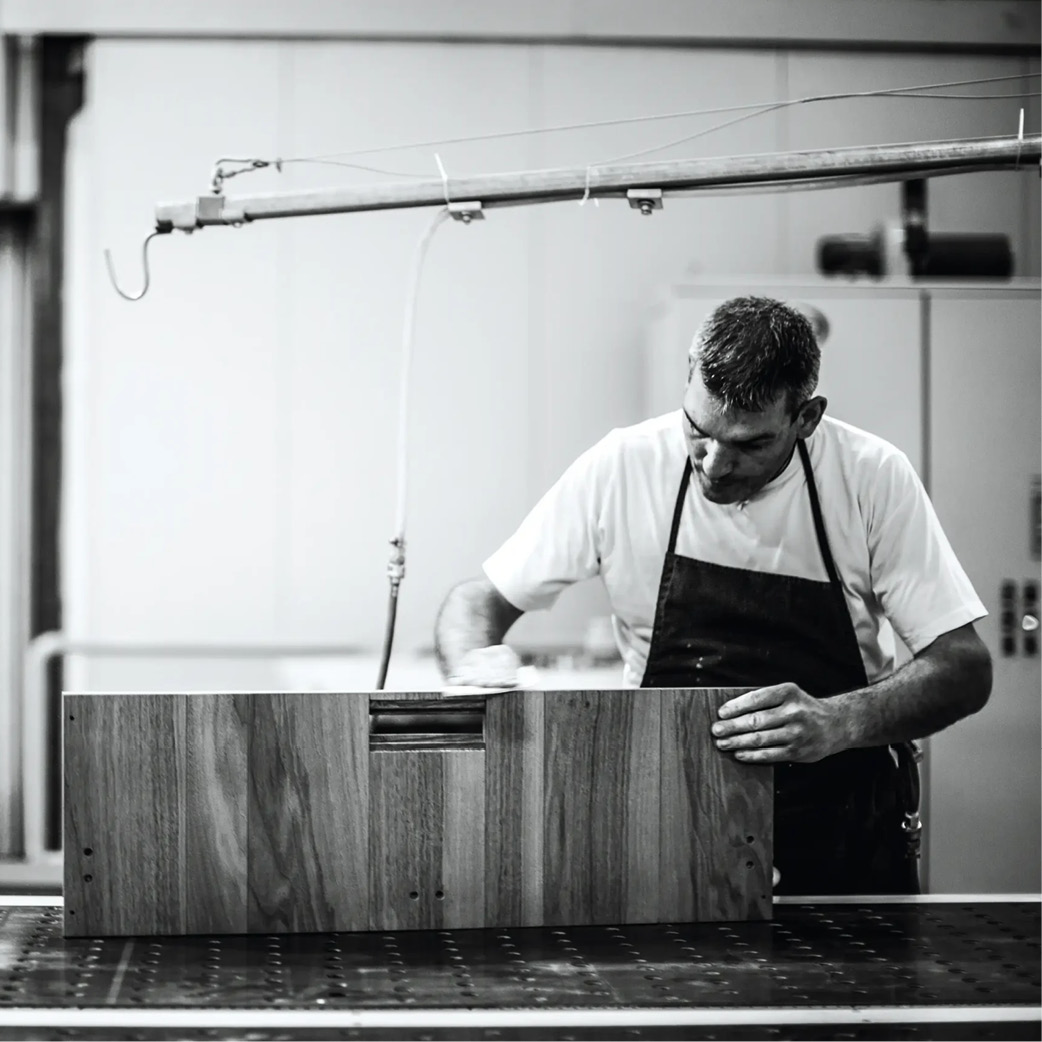
With the opening of the first warehouse at Via Oberdan 70, Lentate sul Seveso becomes Boffi’s new home.
-
1967
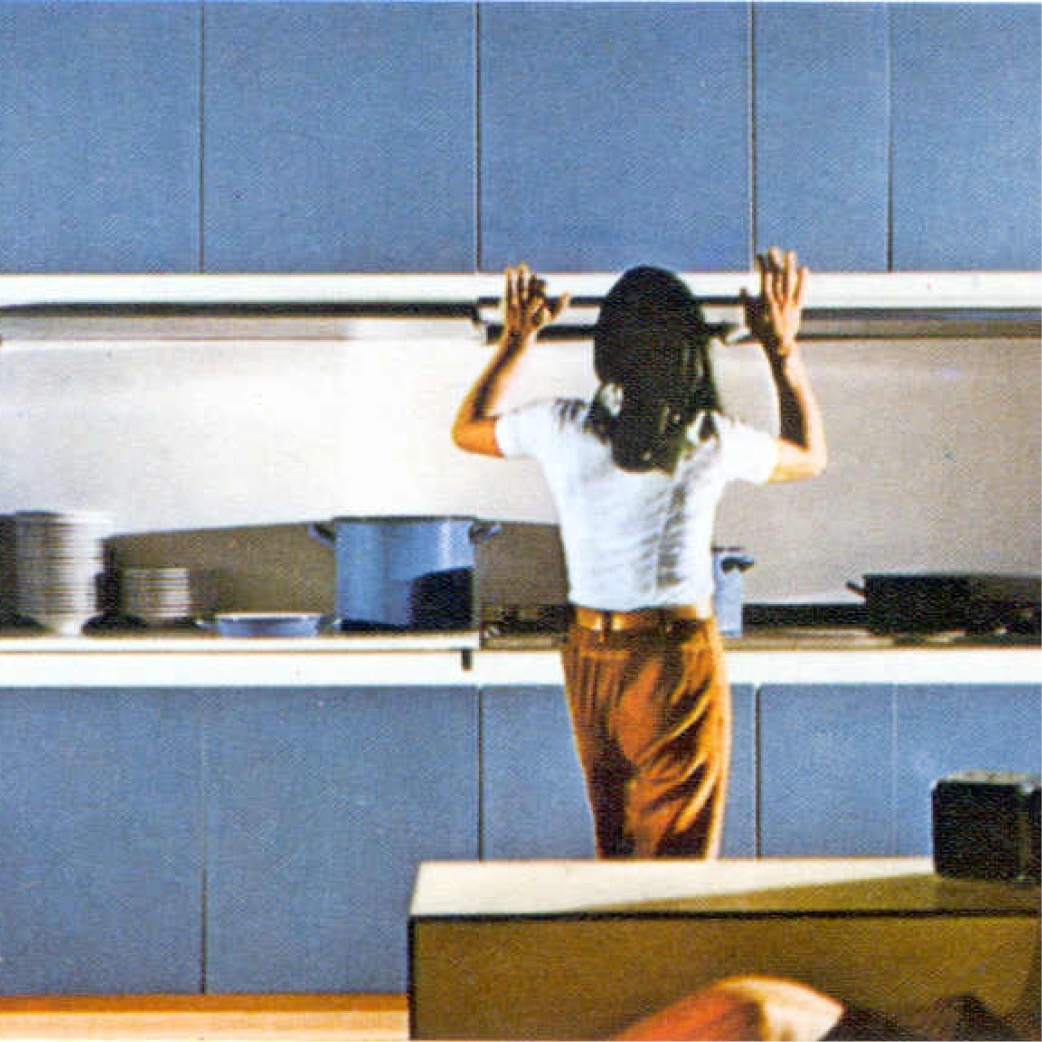
Pier Ugo and Gian Casé design a model that becomes a cornerstone of modern fitted kitchens: T12. In the same year, Luigi Massoni joins Boffi as Creative Director, leading to the development of design icons such as the handleless Xila system and the E15 kitchen, the first modular concept.
-
1980
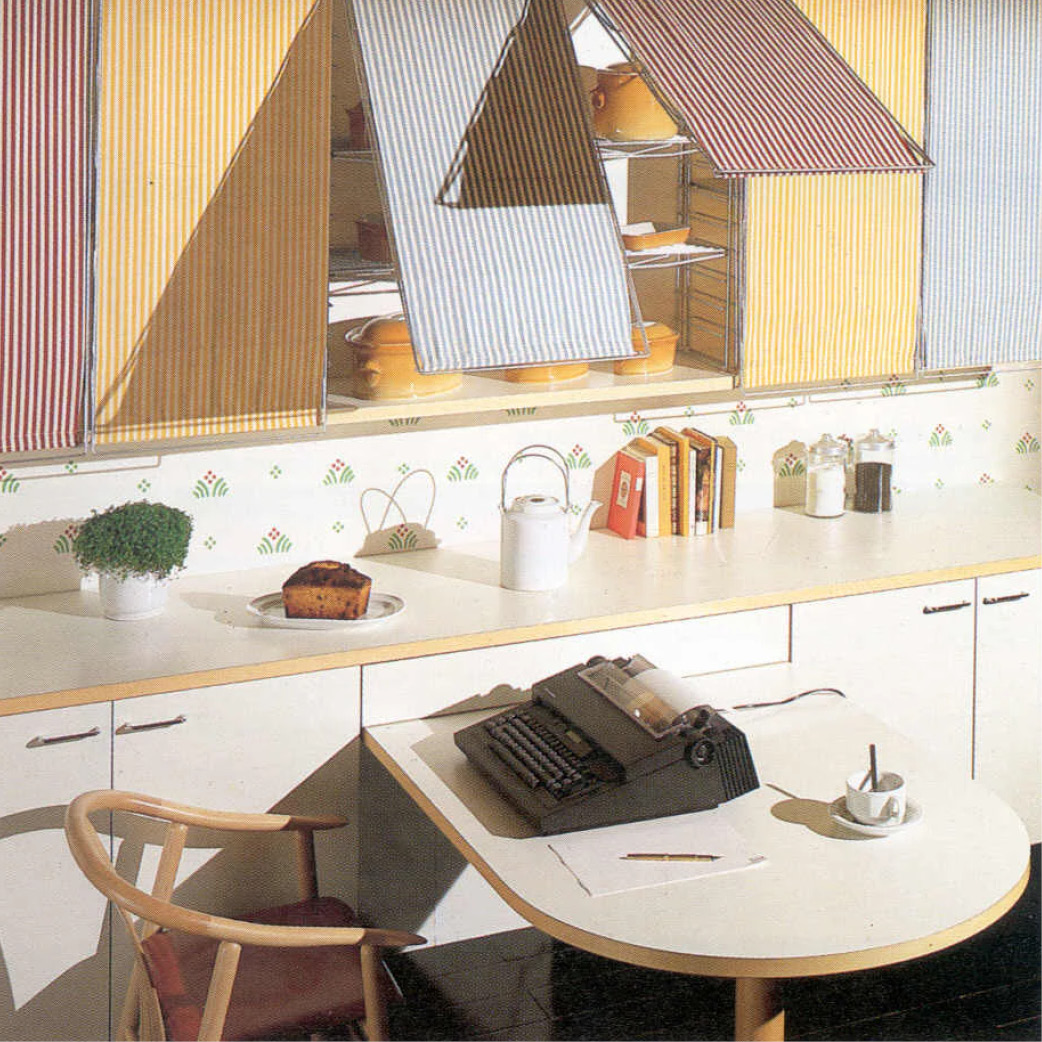
Antonio Citterio and Paolo Nava design the Factory model, a high-tech version that blends the classical modernity of kitchens with the concept of the open-plan kitchen.
-
1989
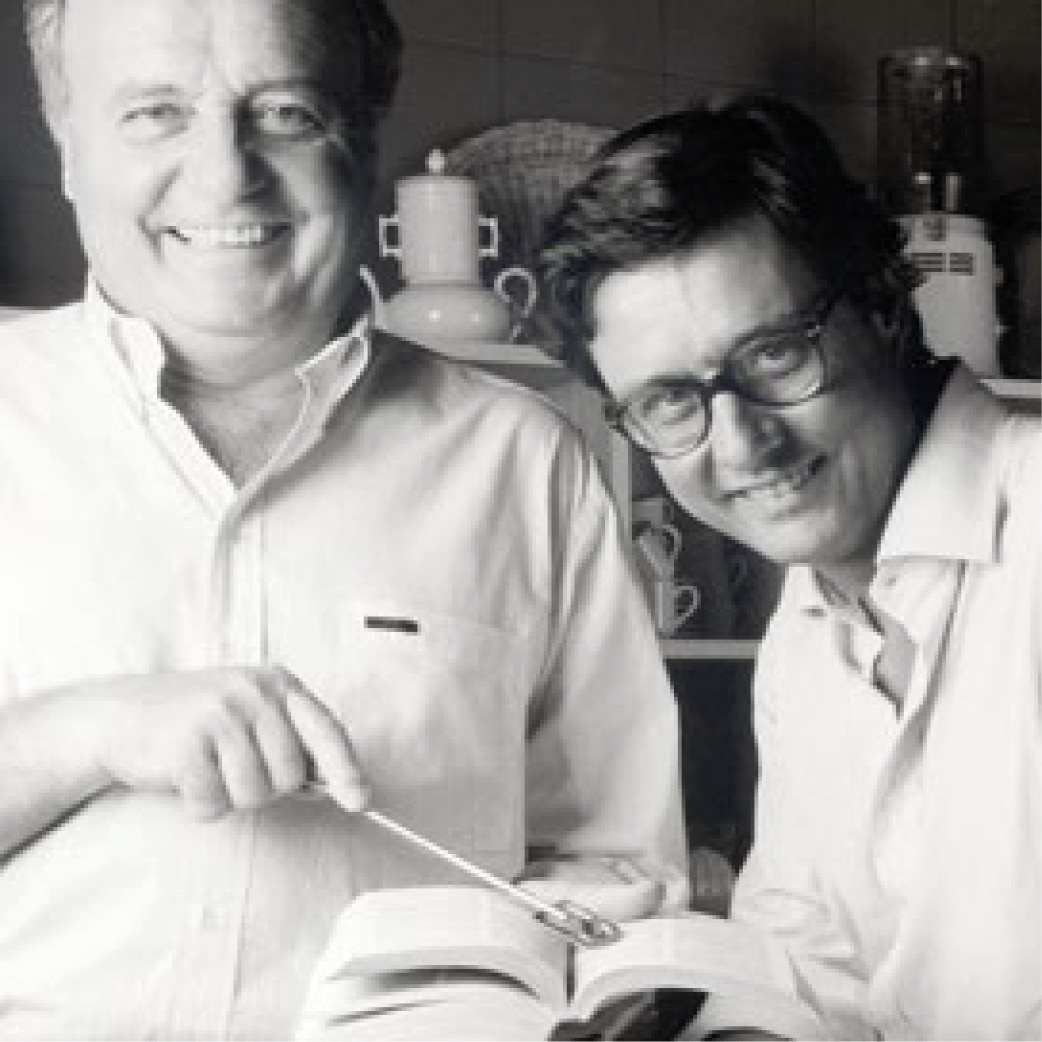
At the end of the decade, Roberto Gavazzi – then a young entrepreneur – becomes CEO, bringing the necessary change and openness toward the company’s internationalization.
-
1990
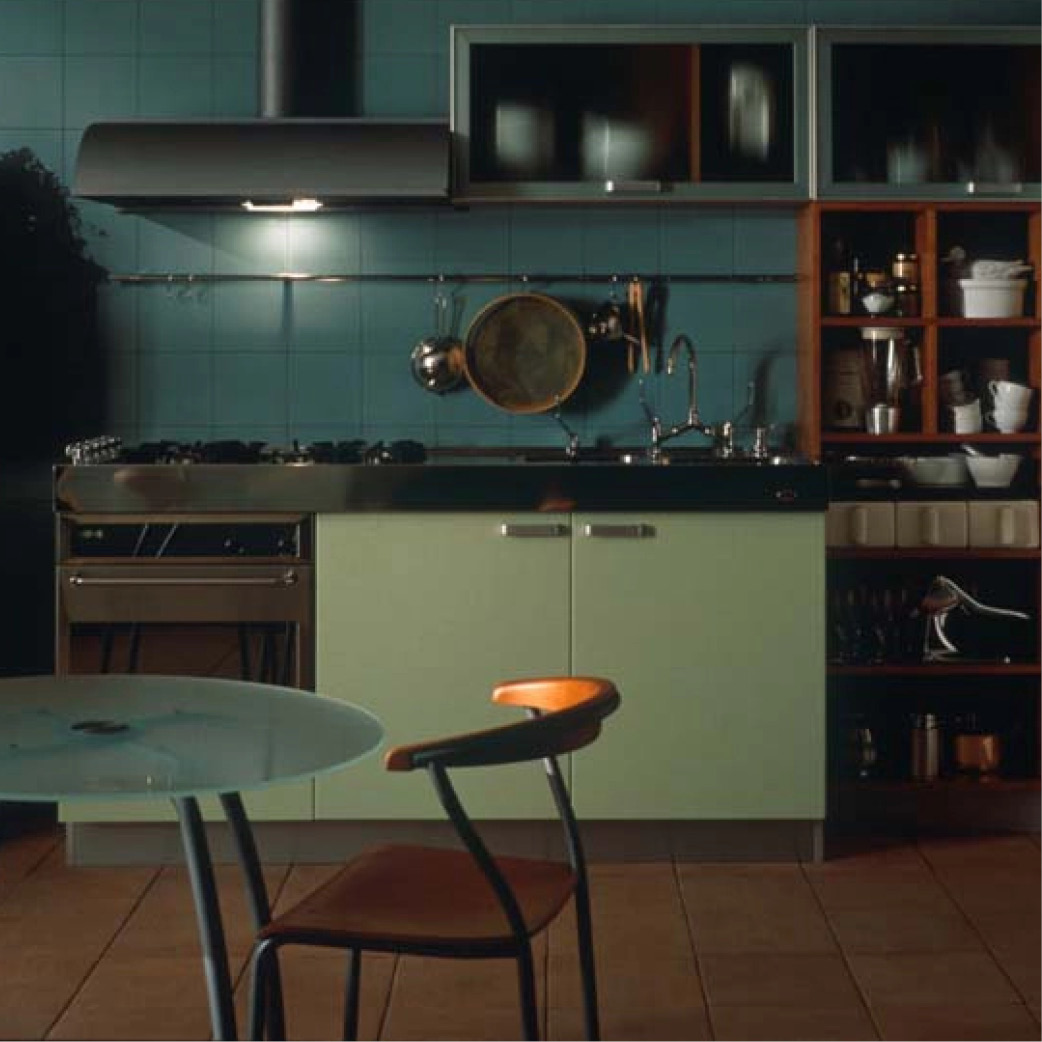
Art direction is entrusted to Piero Lissoni, whose contribution defines a series of strategies to create bespoke products and introduces a subtle glamour that permeates the product lines and the communication strategy. During this period, the Esprit system is introduced, noted for its understated elegance.
-
1992
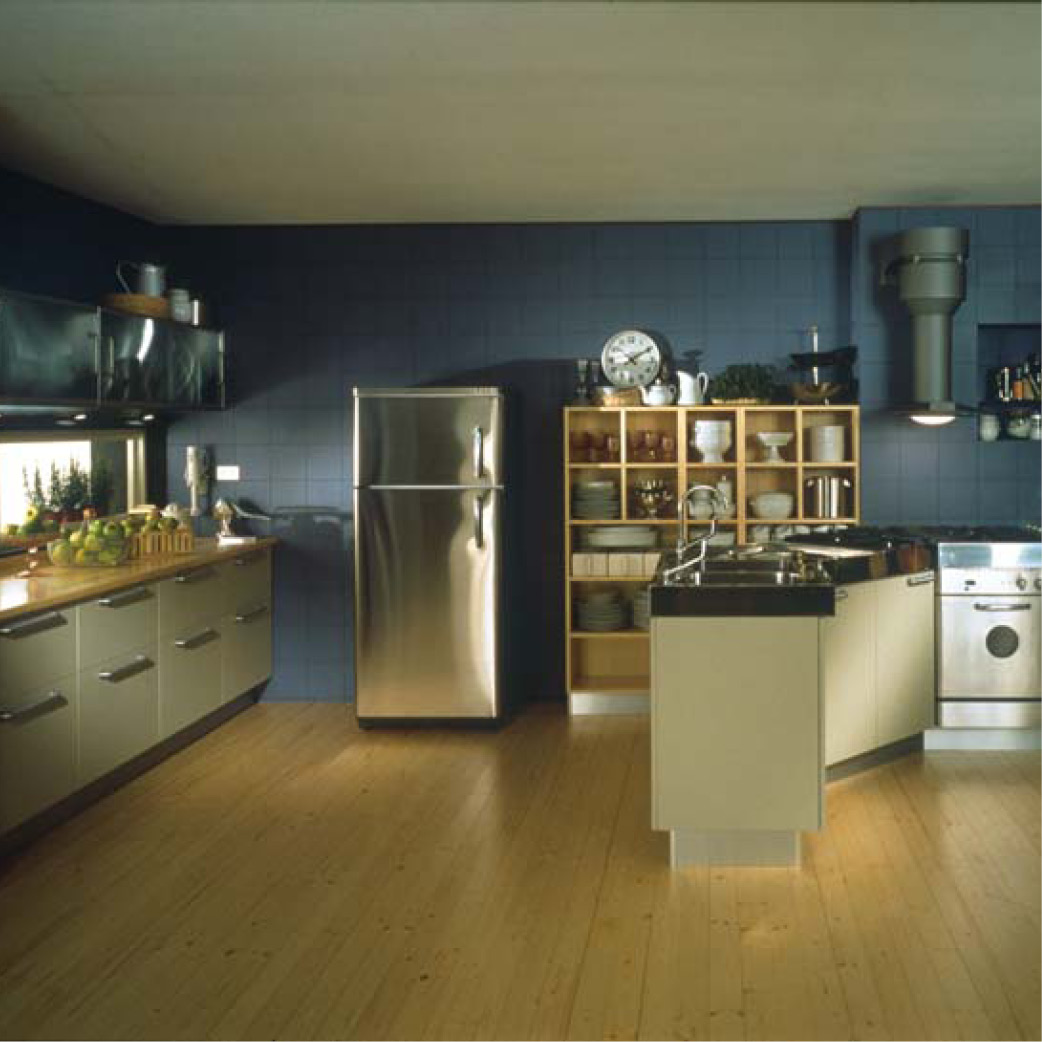
This is the year of Latina and Food Center, inaugurated with an installation by Lissoni directly inside the Boffi factory. Two models that highlight the core functions of the kitchen.
-
1994

In memory of founder Dino Boffi, the Compasso d’Oro Award celebrates the company’s ongoing pursuit of quality, ergonomics and integration within the domestic environment. A design vision that, through pioneering kitchen systems, has profoundly shaped the evolution of the sector on an international scale.
-
1995
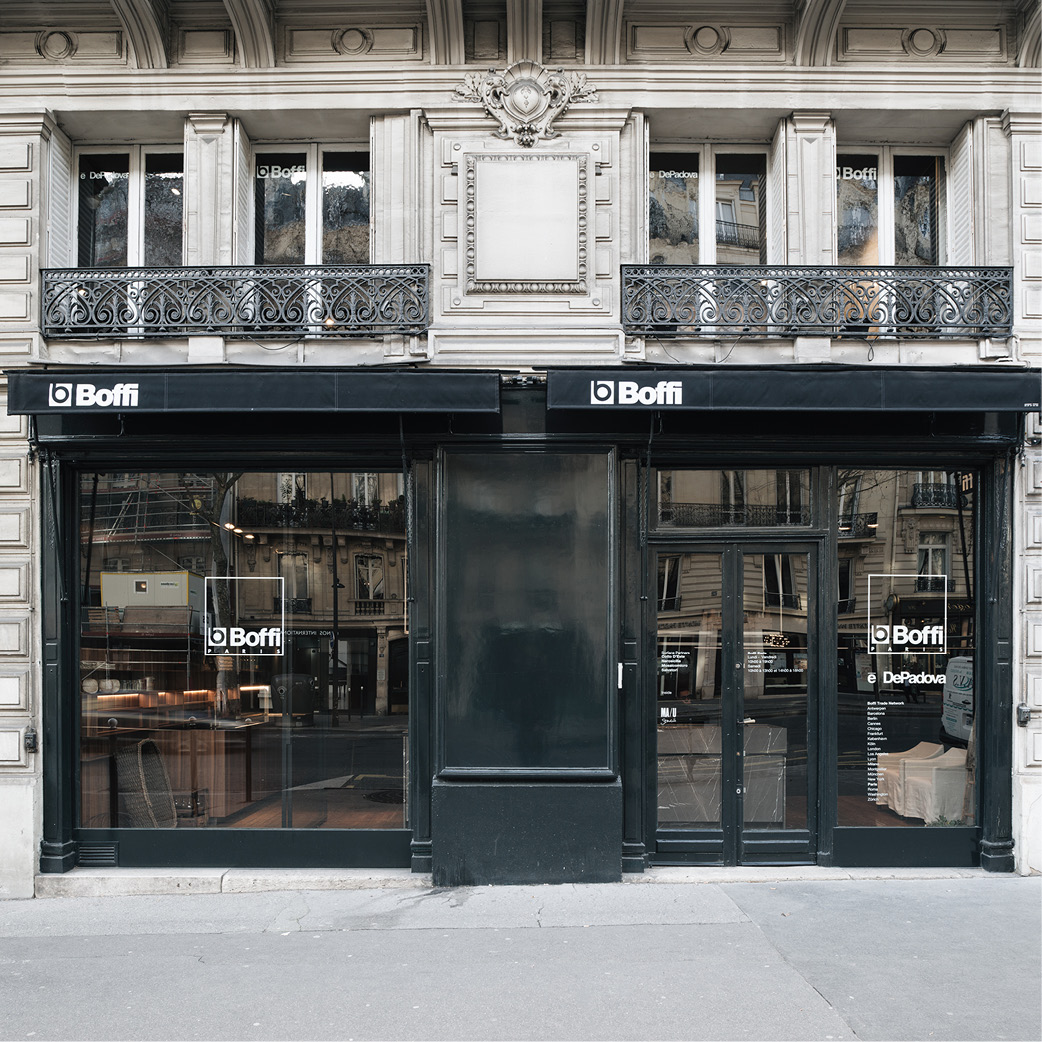
The design legacy and the development strategies introduced by the Boffi-Gavazzi-Lissoni trio lead to the brand receiving the Compasso d’Oro alla Carriera. Boffi embarks on the long-planned path of internationalization by opening Boffi Paris on Boulevard Saint-Germain.
-
1997
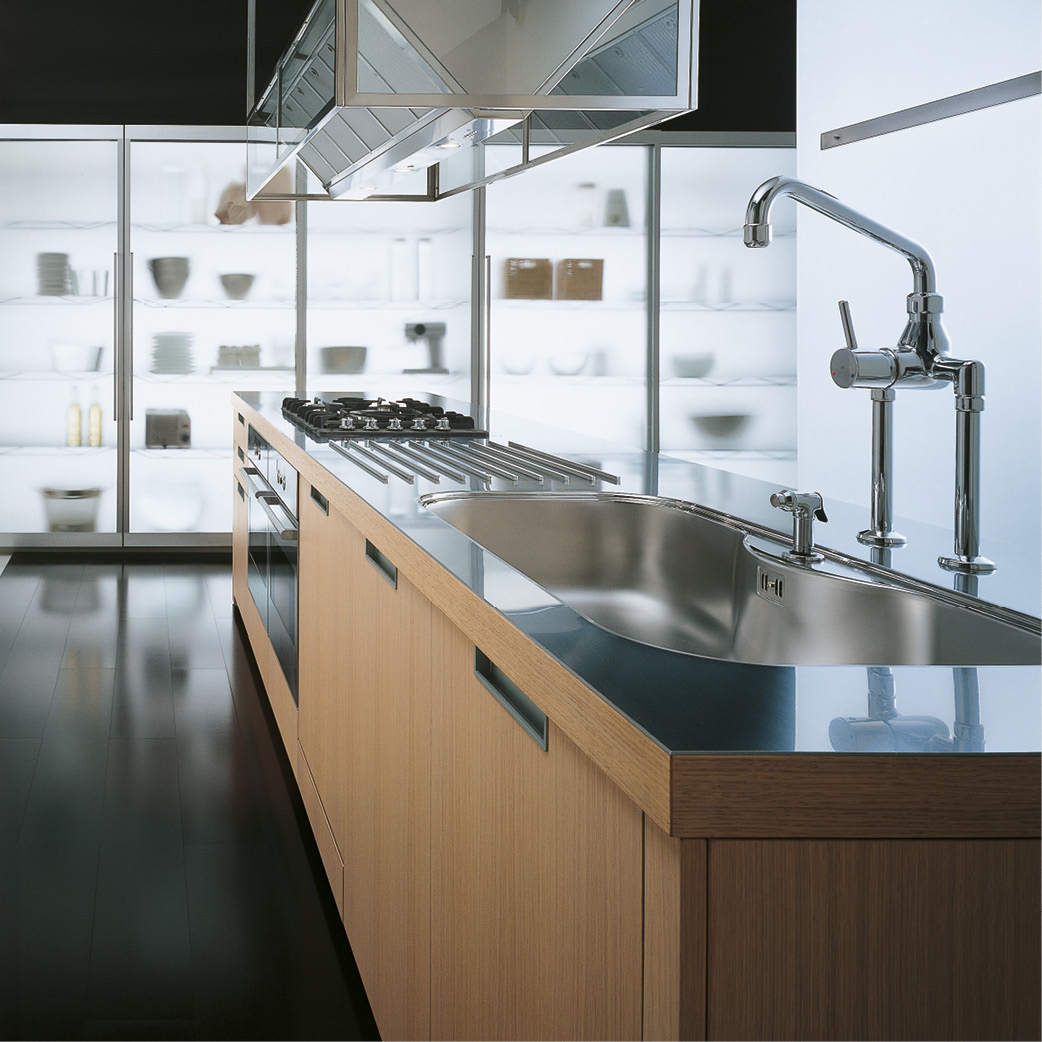
Boffi makes a bold statement for its independent market strategy with a pivotal decision: Withdrawing from the Salone del Mobile to present the WK6 system in the deconsecrated San Paolo Converso church in Milan.
-
1998
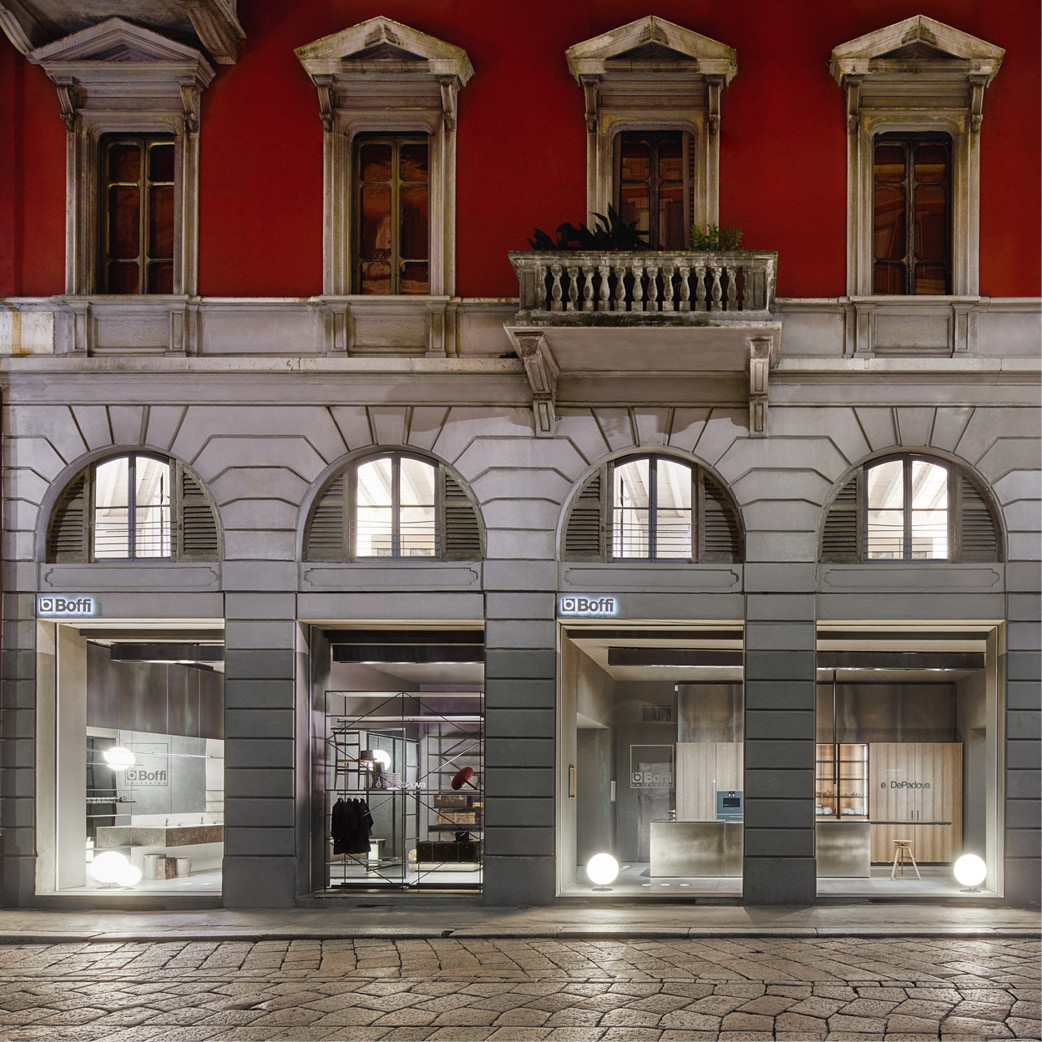
The first monobrand store, Bagno-Boffi Solferino, opens on Via Solferino in Milan. Thanks to its architecture, it remains an icon of the Brera district. This marks the beginning of a long series of monobrand stores in Italy and worldwide, forming the foundation of the company’s expansion strategy.
-
2000
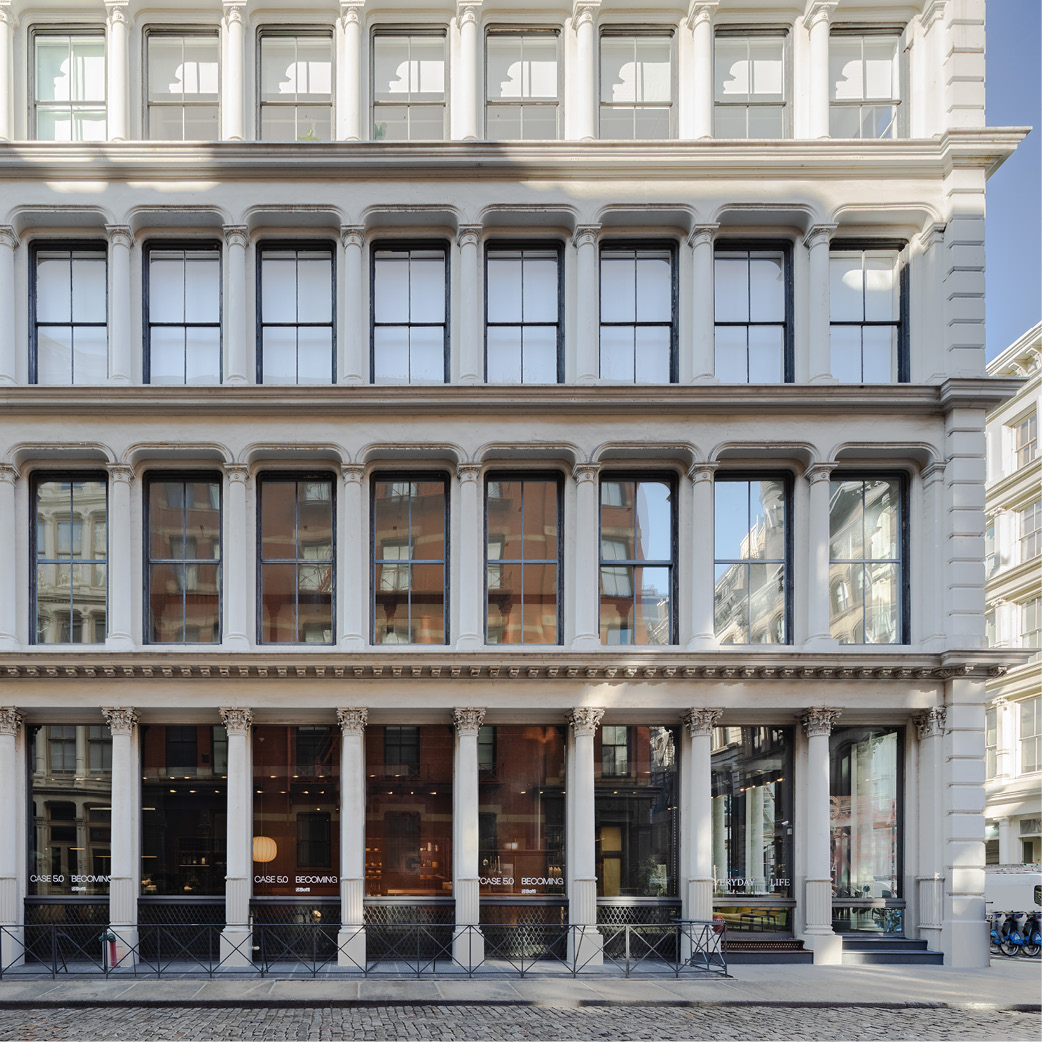
The company’s international growth reaches the United States: Boffi Soho opens as the first in a series of Boffi showrooms across the country.
-
2001
Boffi joins the Fondazione Altagamma, an association that brings together leading Italian high-end brands to promote Italian culture and “Made in Italy” around the world.
-
2002
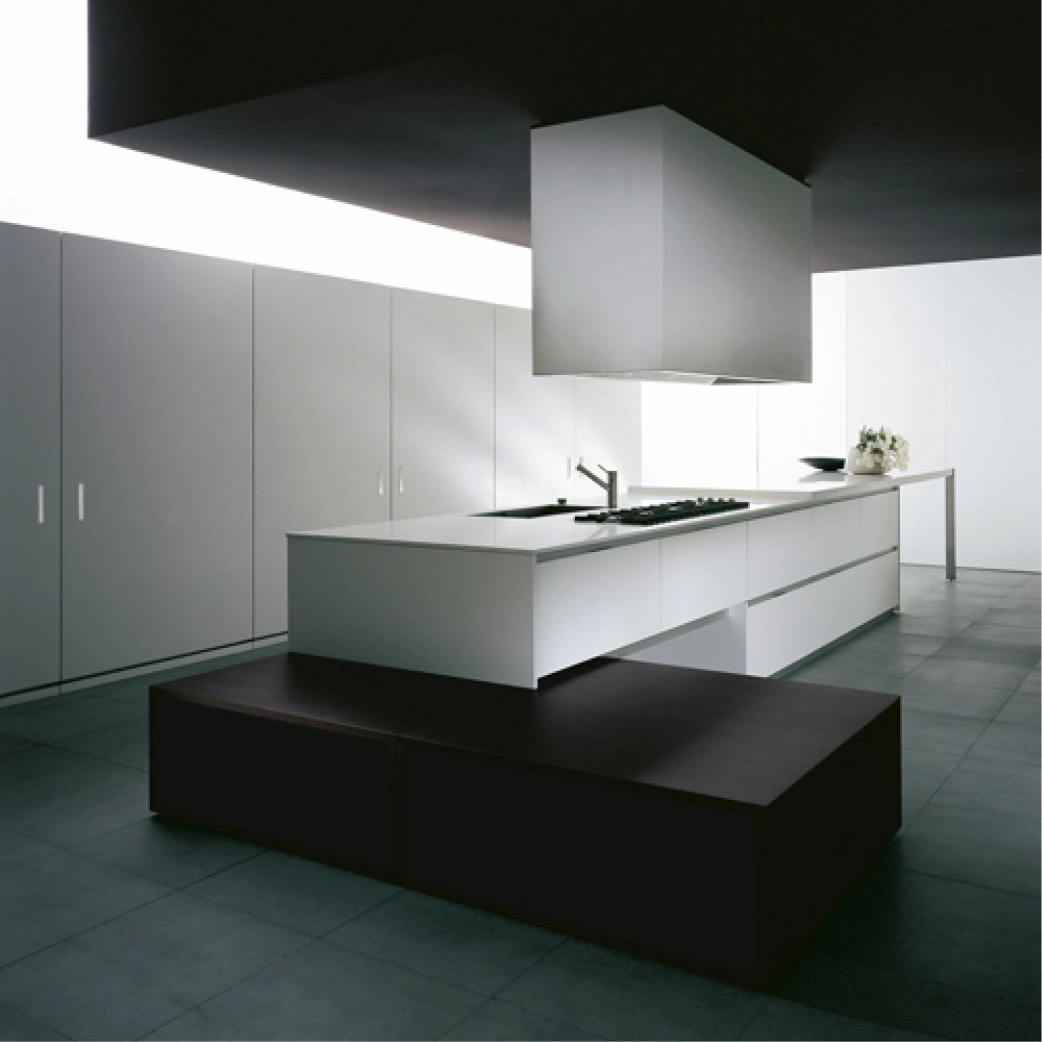
Piero Lissoni’s Case 5.0 embodies the essence of the architectural kitchen and becomes a performance piece defined by extraordinary proportions, materials and avant-garde functions.
-
2003
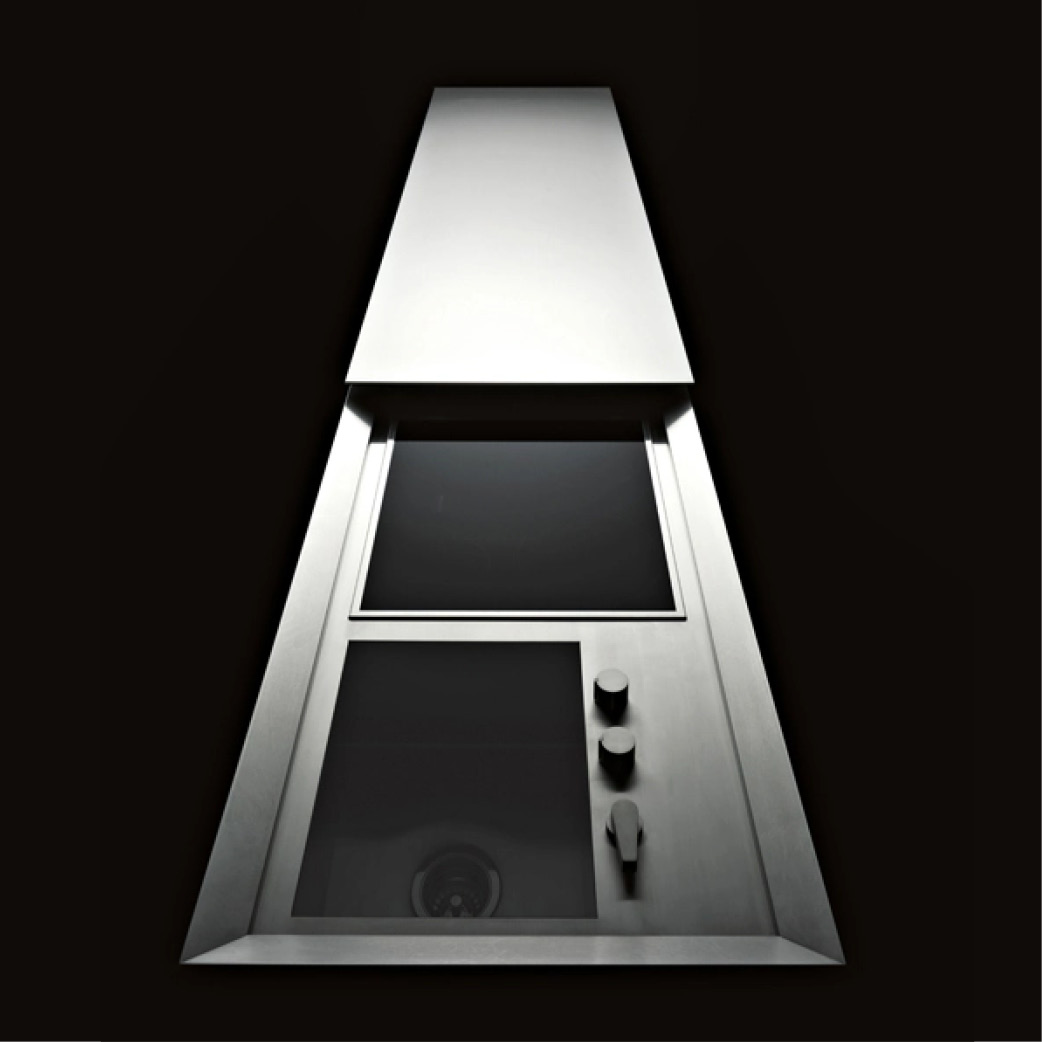
The German high-end kitchen brand Norbert Wangen is officially integrated into the Boffi universe, introducing an innovative style with its K-Series.
-
2004
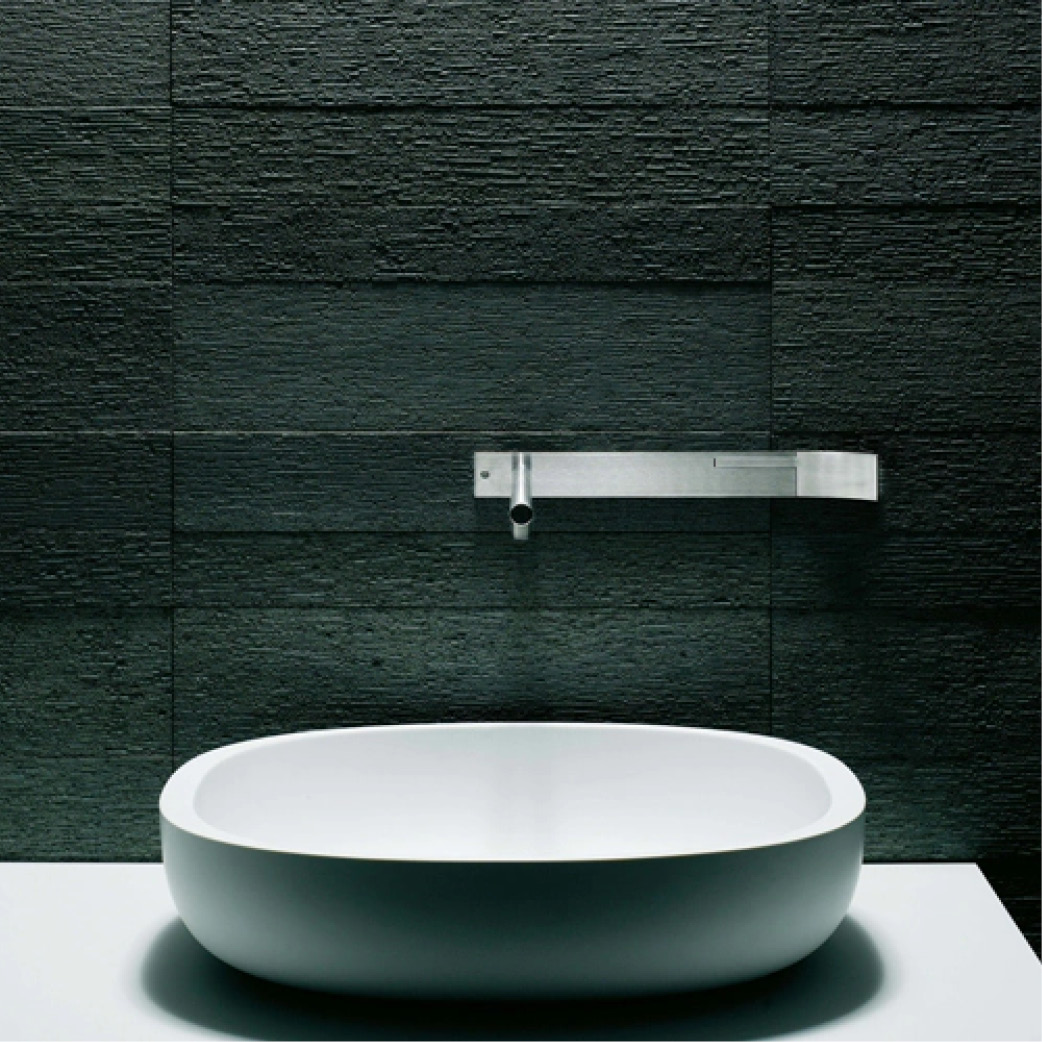
Cut, the faucet designed by Mario Tessarollo and Tiberio Cerato, is nominated for the Compasso d’Oro and receives the 2004 Red Dot Award for Best Product Design.
-
2010
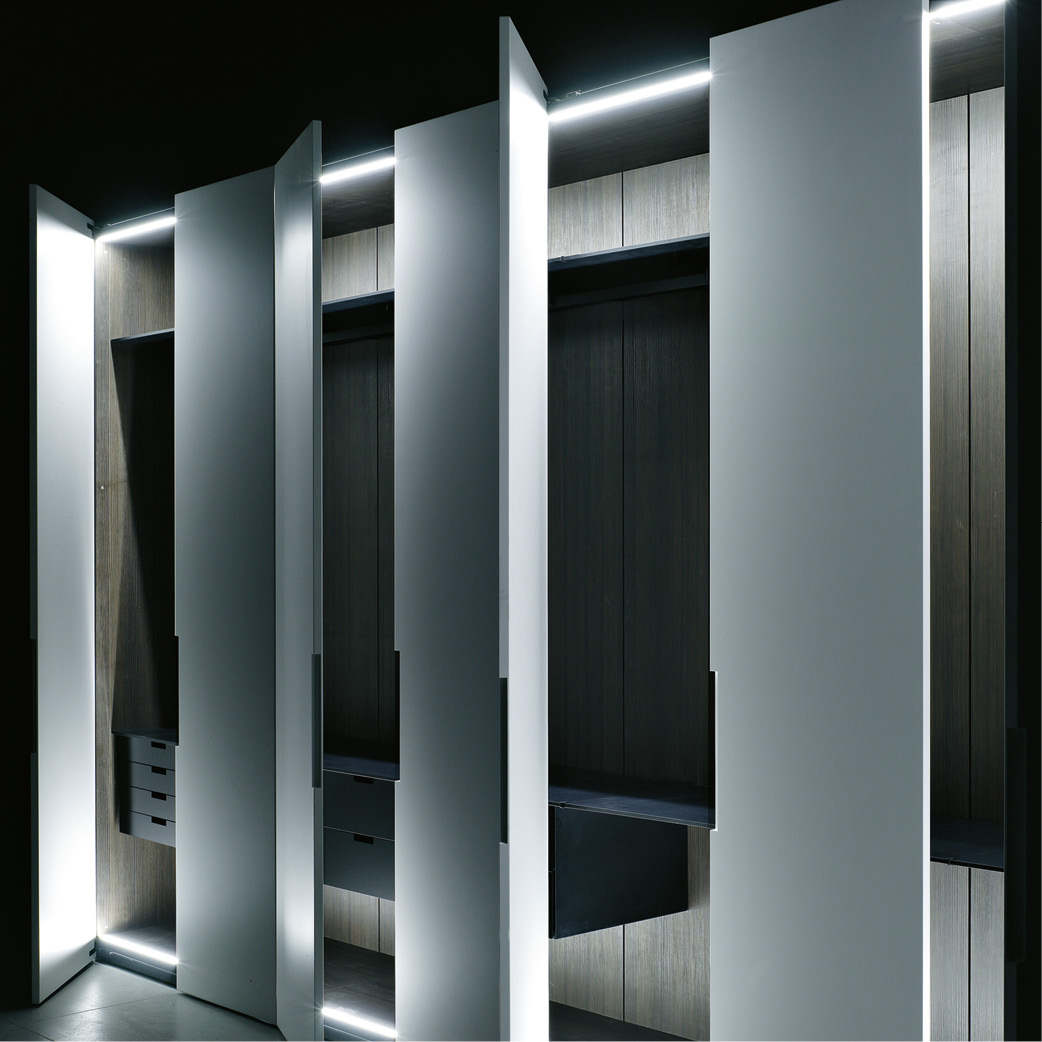
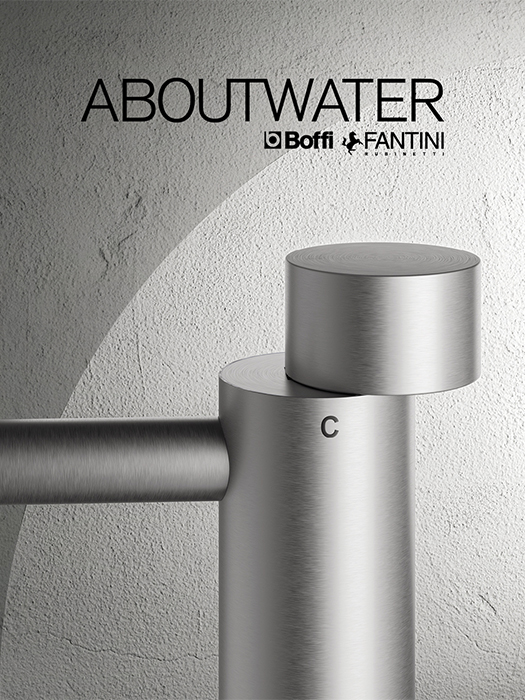
The second decade of the 2000s is marked by transformation: The brand expands its range with wardrobe systems through the “Solferino” project in 2010. At the same time, a collaboration begins with Fantini to create a collection of modern, refined faucets that perfectly complement Boffi.
-
2011
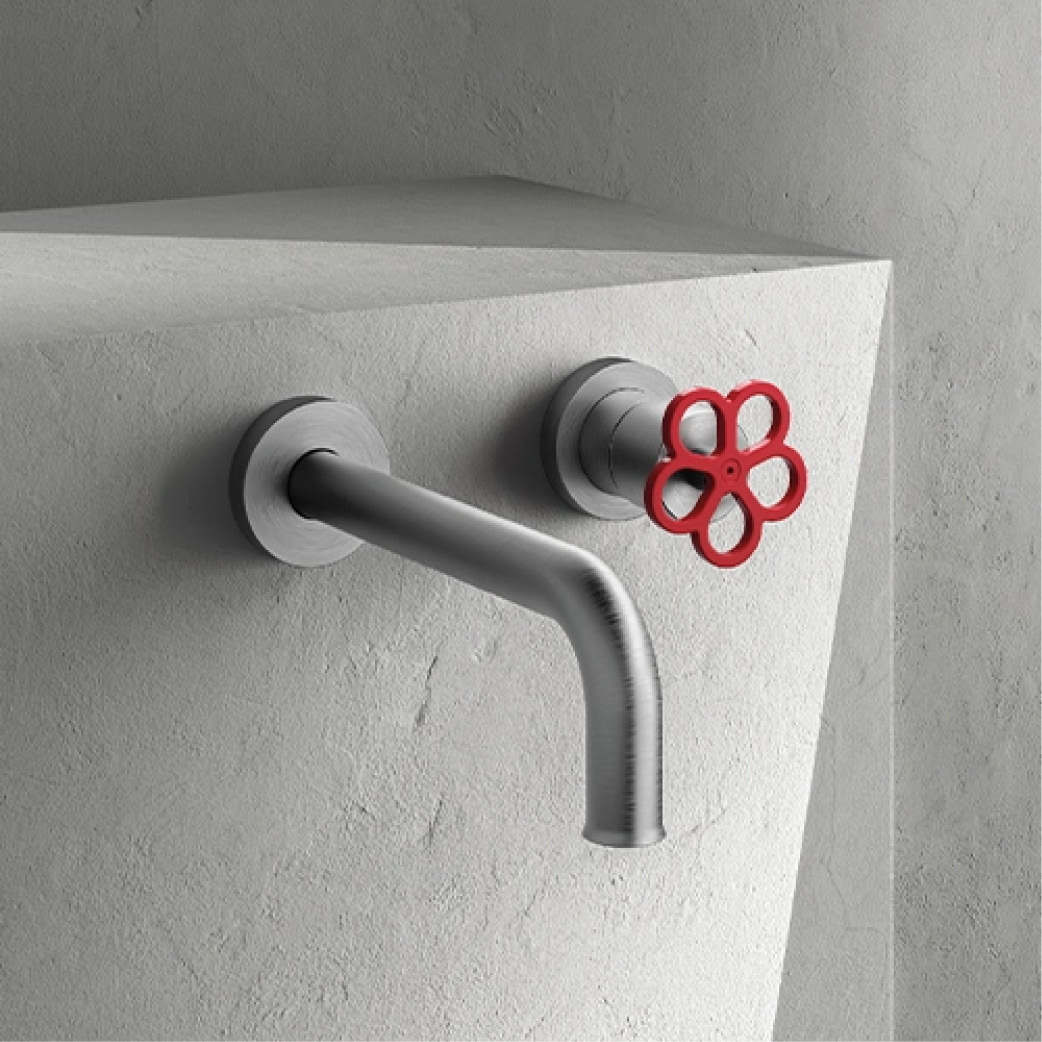
Internationally, the company reaches 21 directly managed monobrand stores and 48 indirectly operated stores. Meanwhile, the Aboutwater project is launched in collaboration with Fantini.
-
2012
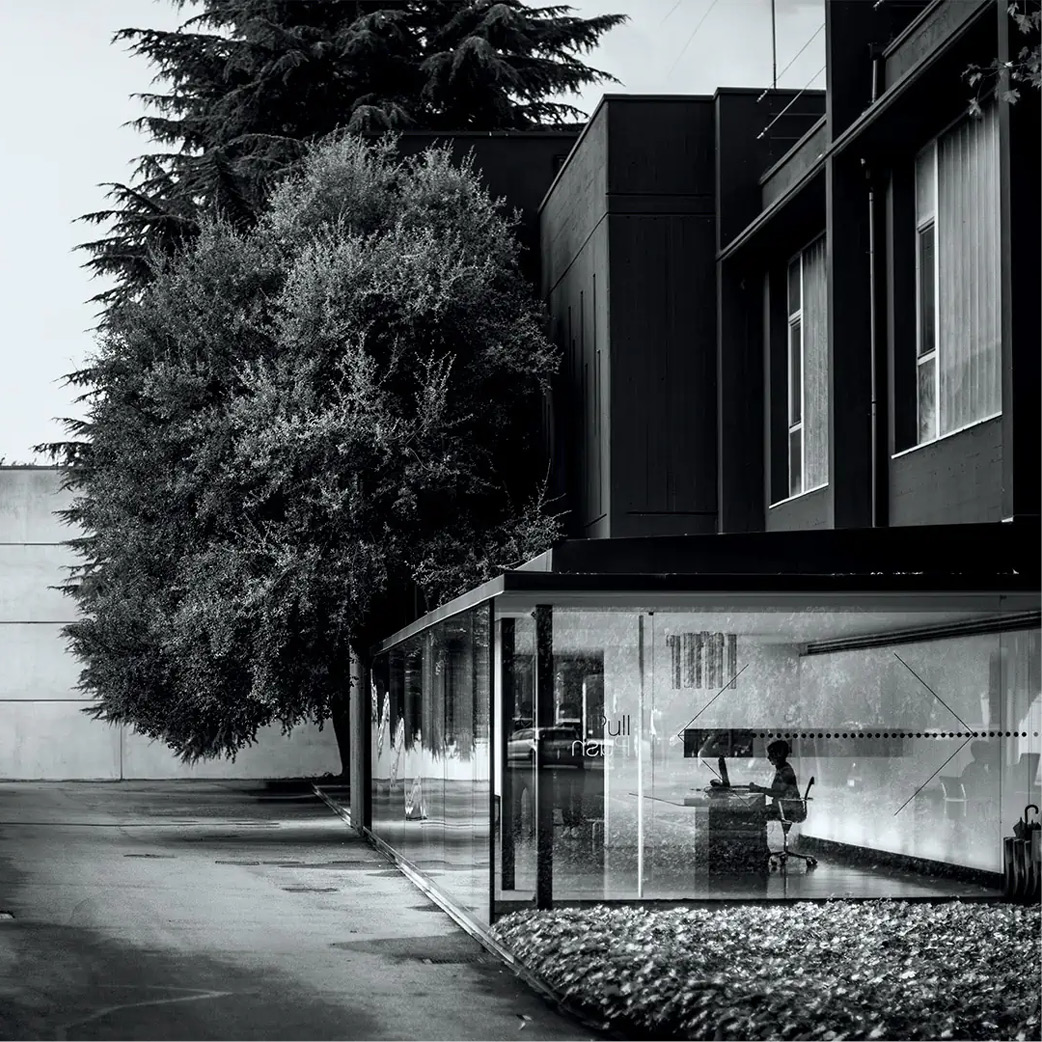
Expansion also extends to the production site and corporate offices: A new Training Center opens at the headquarters in Lentate sul Seveso, featuring a large area dedicated to customer service and the presentation of the bathroom, kitchen, and system collections.
-
2015
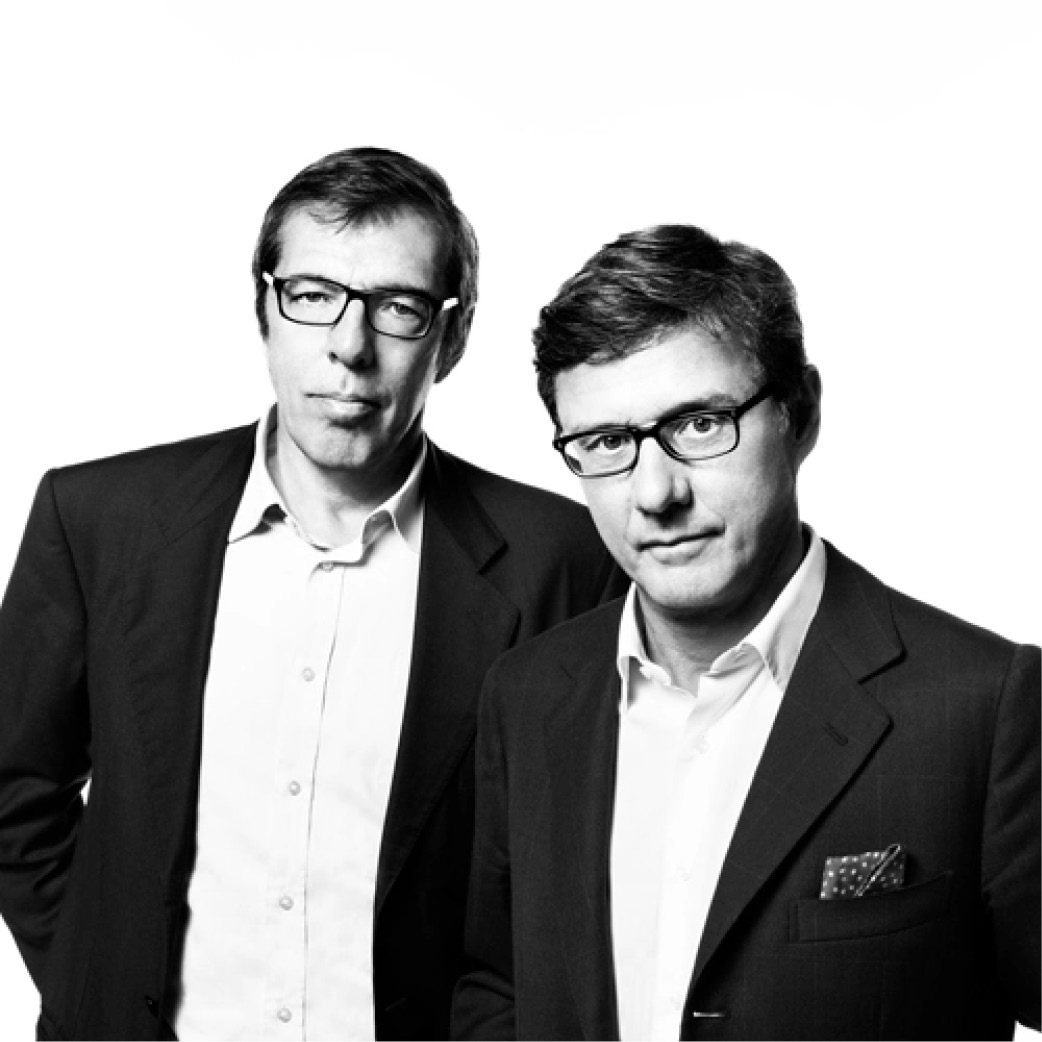
This year marks the beginning of a major corporate strategy: Boffi merges with De Padova, a historic company in modern furniture design. The De Padova Santa Cecilia showroom opens at Via Santa Cecilia 7 in Milan.
-
2016

Boffi Code: A new collection of fully custom-made furniture with personalized materials, finishes and storage options.
-
2017
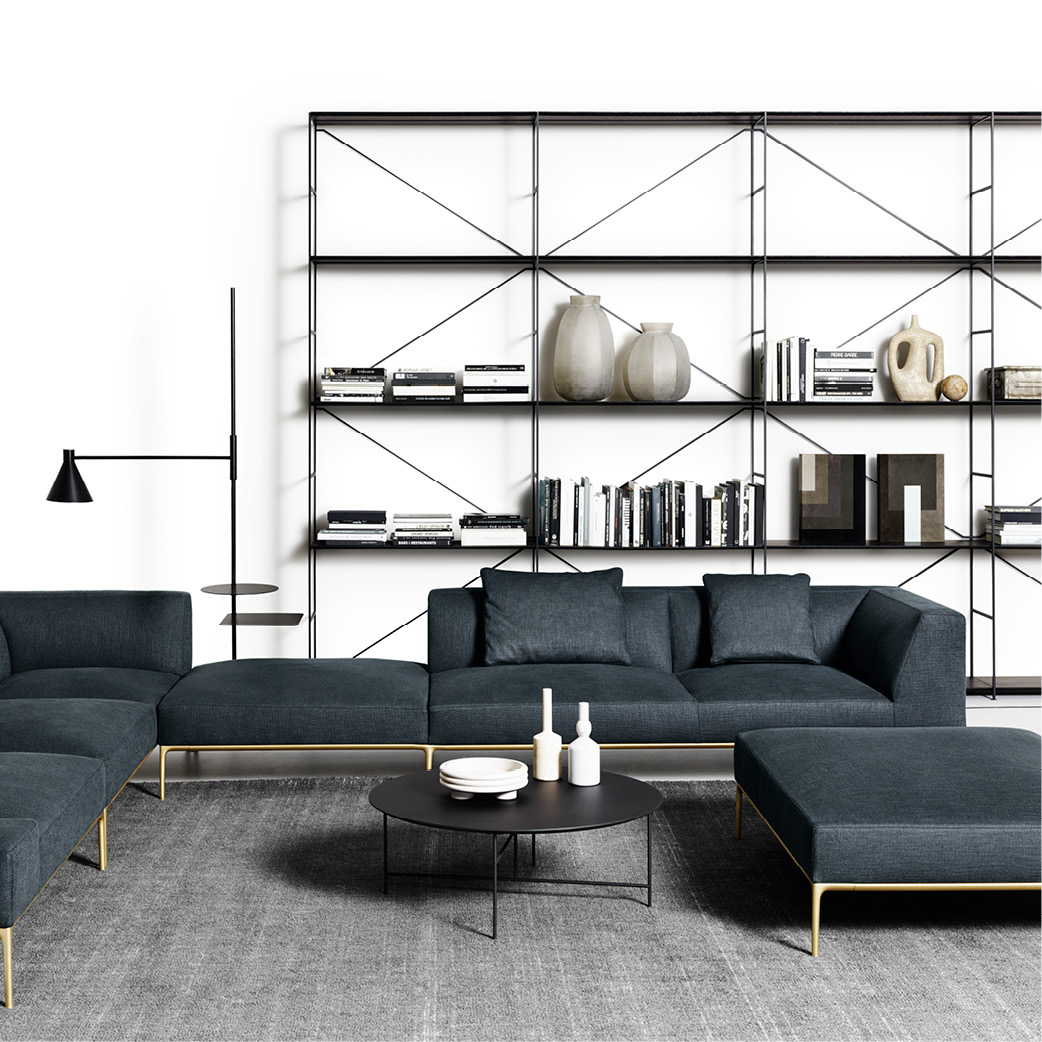
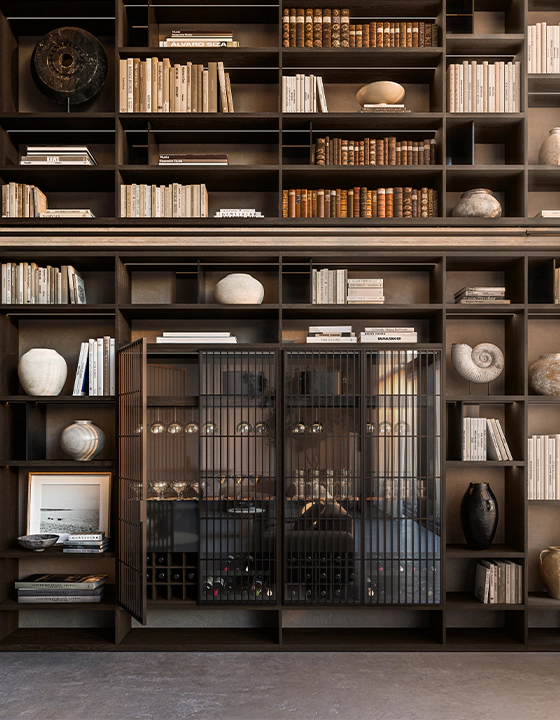
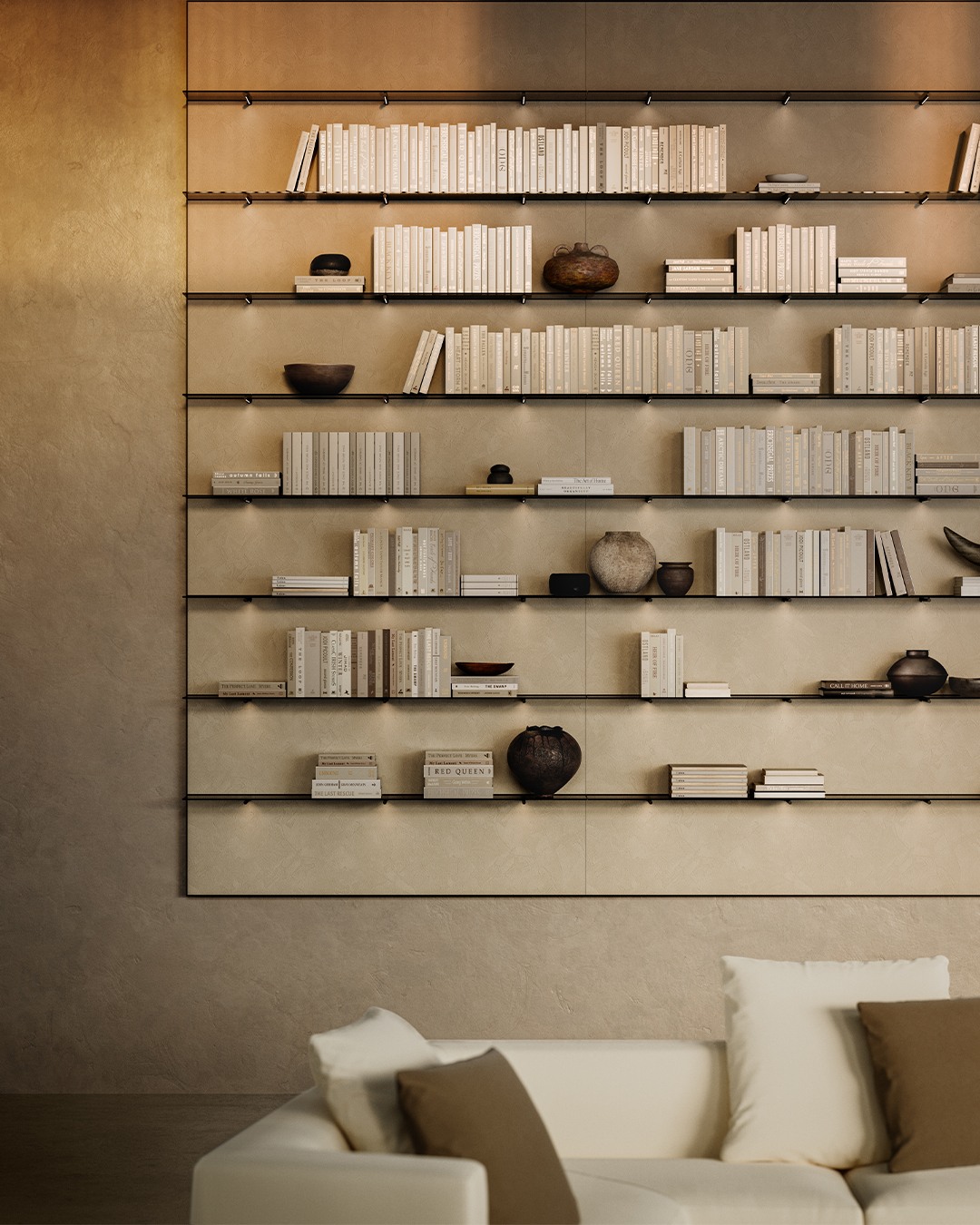
De Padova enters a partnership with MA/U Studio, a Danish start-up specializing in high-quality shelving systems for living and workspaces, which becomes fully integrated into the De Padova range in 2022.
-
2018
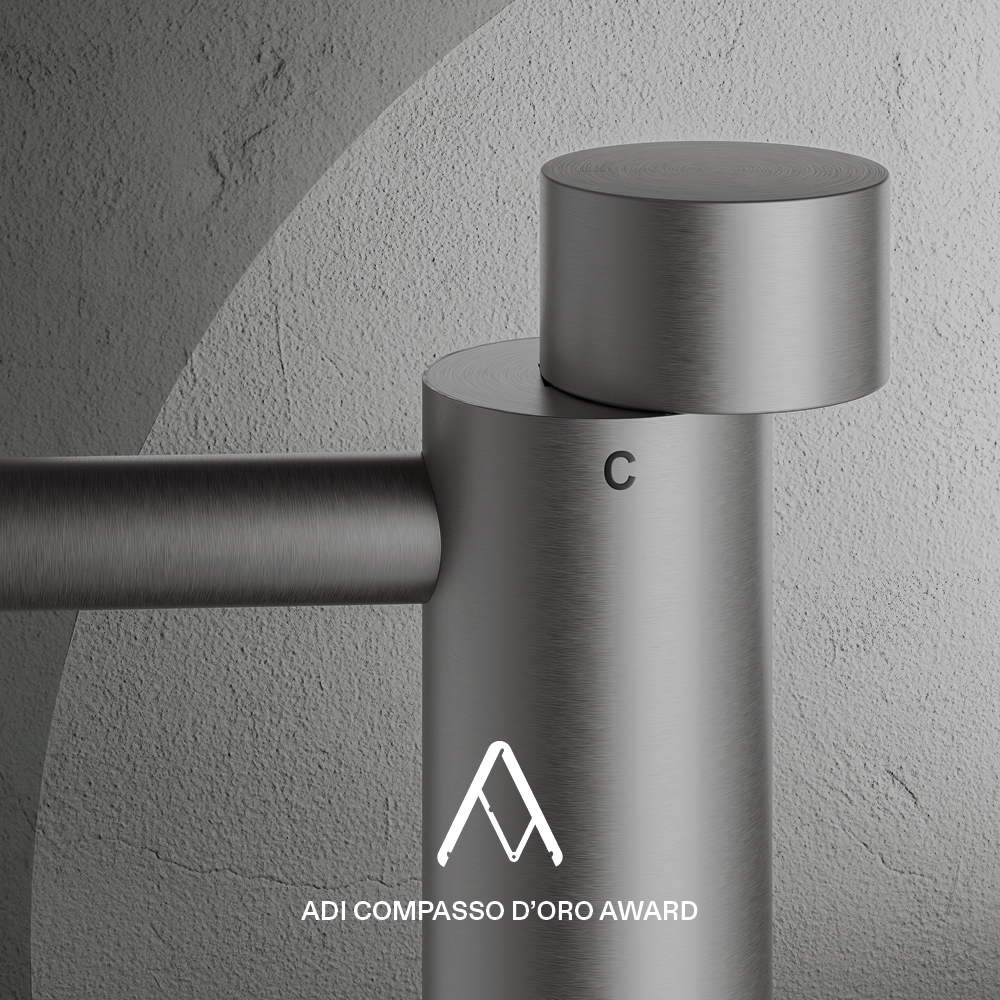
Boffi receives the 2018 ADI Compasso d’Oro for the Eclipse project, developed in collaboration with Studiocharlie.
-
2019
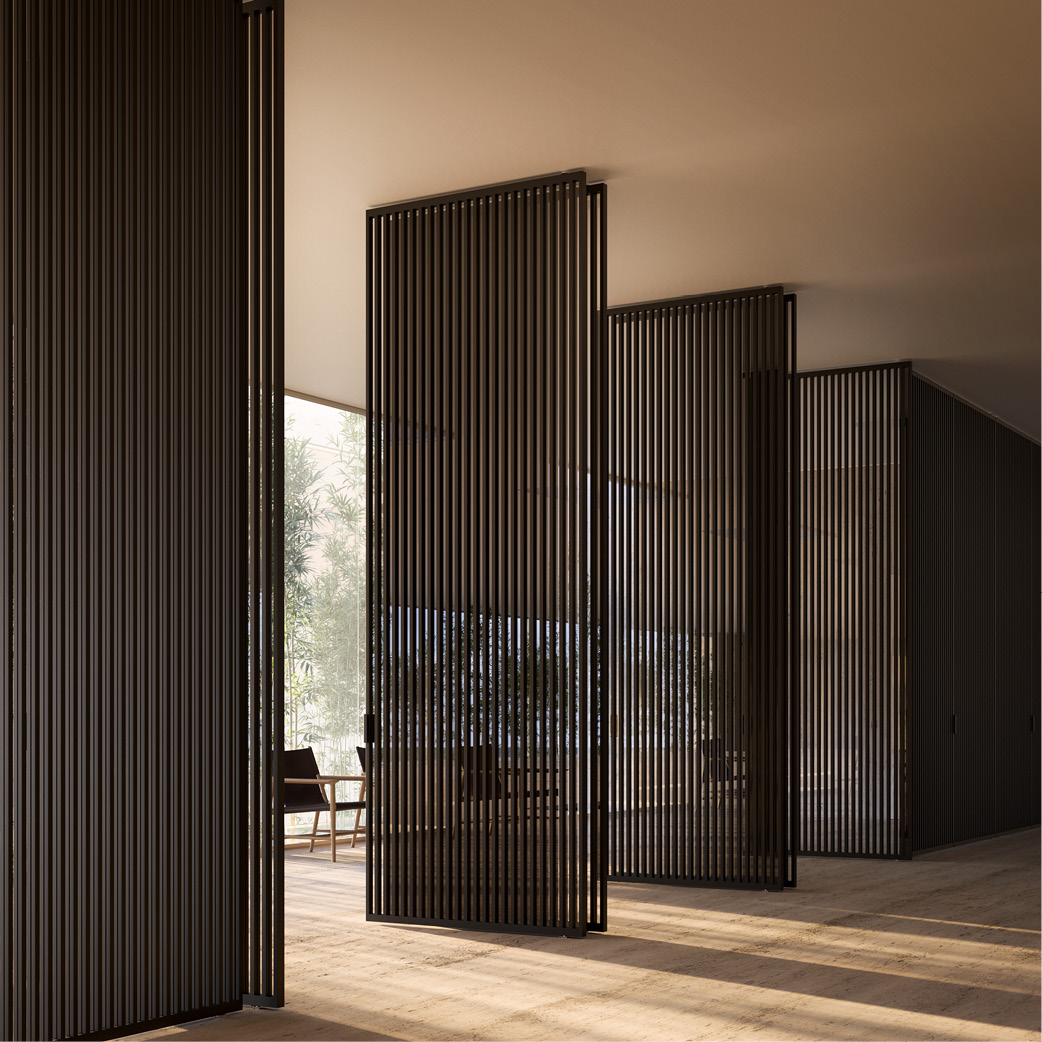
With an initial 50% acquisition, Boffi integrates ADL into its portfolio. The company, specialized in developing door systems that connect and separate spaces, contributes to the continued growth of the industrial project started in recent years.
-
2020
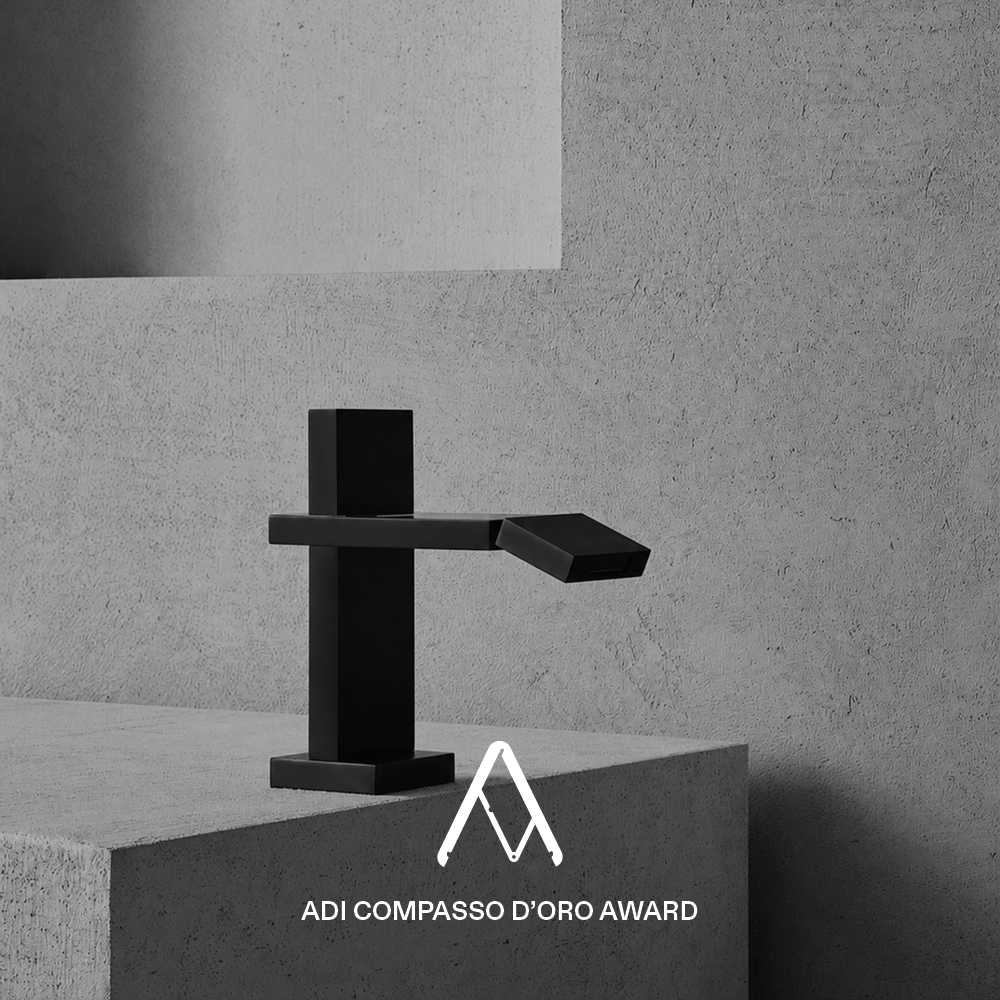
AK/25, designed by Paik Sun Kim for Aboutwater Boffi and Fantini, receives the Compasso d’Oro Award. The recognition celebrates a rigorous and elegant project, born from the dialogue between two Italian excellences and the poetic sensitivity of the Korean designer.
-
2021
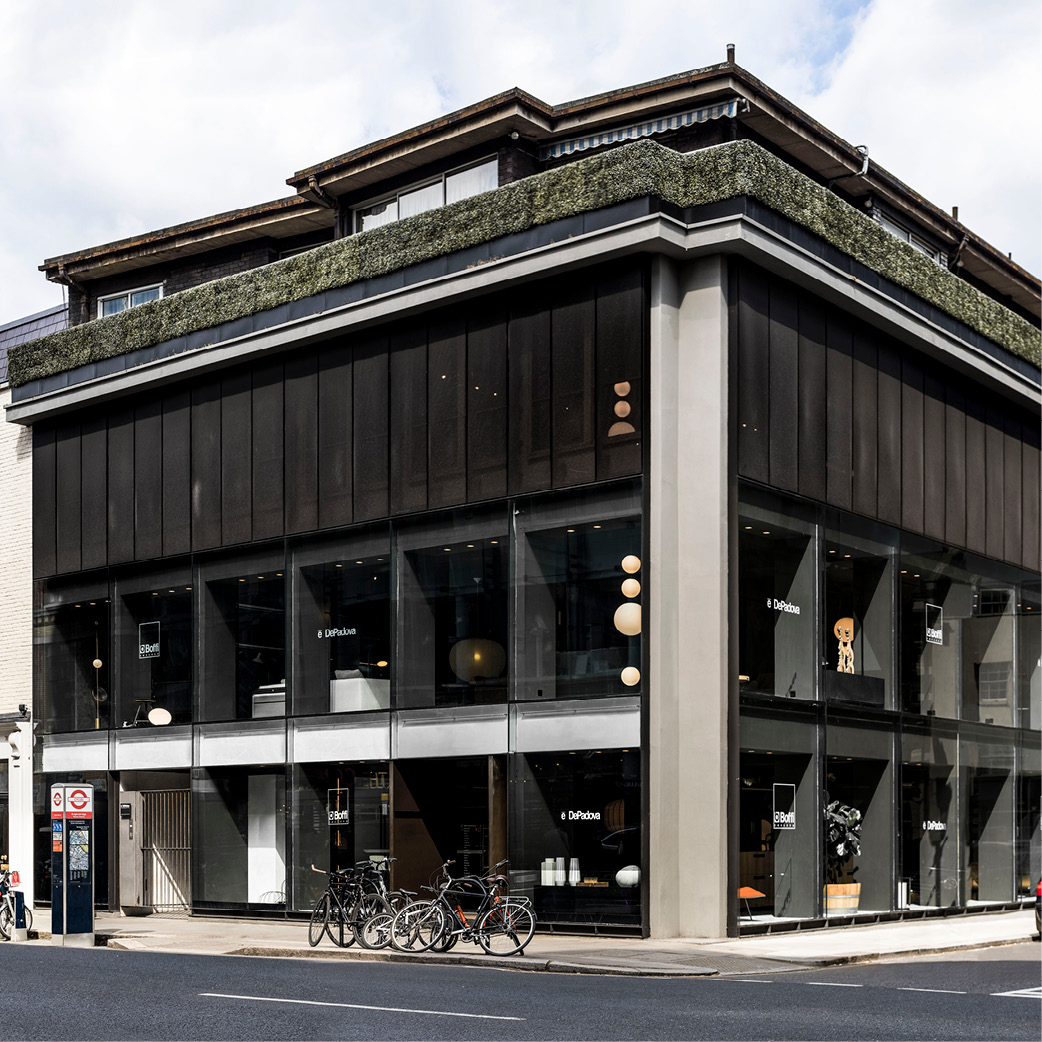
The Boffi|DePadova strategy increasingly emphasizes the goal of offering 360-degree living solutions: Boffi Chelsea becomes Boffi|DePadova Chelsea, moving into a new 900 m² space where all brand collections coexist harmoniously.
-
2022
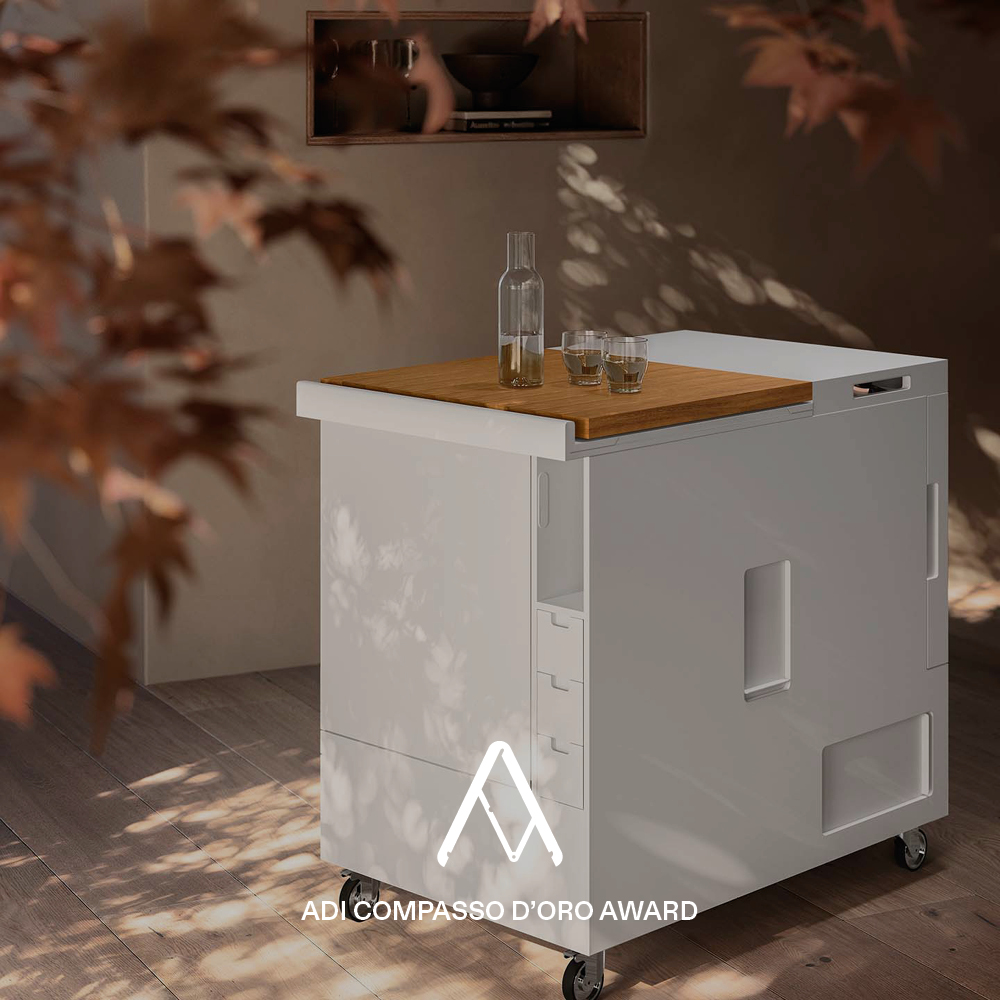
Minikitchen receives the 2022 Compasso d’Oro Lifetime Achievement Award, confirming its role as an icon of Italian design culture and a visionary laboratory of functionality and innovation.
-
2024

Roberto Gavazzi receives the Compasso d’Oro Lifetime Achievement Award for a vision capable of combining economic rigour with a deep culture of design. An international journey, profoundly connected to Made in Italy, that has contributed to enhancing original experiences, distinctive personalities and new perspectives within Italian design.
-
2026
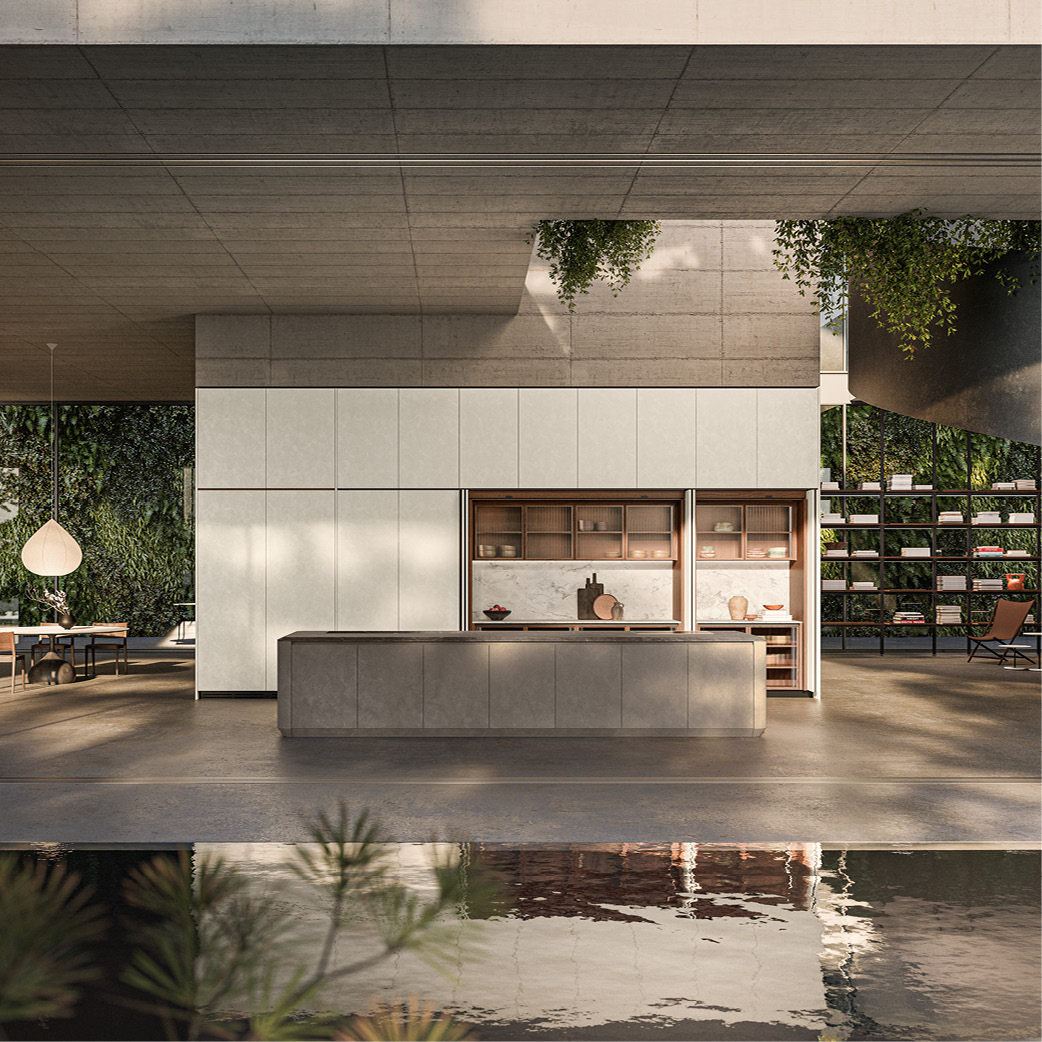
Today, Boffi|DePadova operates 24 directly managed showrooms and 50 Boffi|DePadova Studios worldwide, reflecting a philosophy of living in which diverse influences blend seamlessly into a single holistic concept.